Author

admin

Browsing

‘The uranium story itself is finally getting better… the near perfect storm is here.’ he said, noting that all the factors that should drive electrical demand higher are merging, particularly electrification and AI data center needs.

‘I don’t think uranium has to go to US$200 in order to make money,” said Grandich. I just think it needs to go back to where it was a couple years ago, a little above US$100 and these stocks will quadruple.’

Watch the interview above for more from Grandich on the energy sector and gold’s 2025 performance.

Securities Disclosure: I, Georgia Williams, hold no direct investment interest in any company mentioned in this article.

This post appeared first on investingnews.com

After spiking above US$20,000 per metric ton in May 2024, nickel prices have experienced a downward trend, mainly remaining in the US$15,000 to US$16,000 range.

Indonesia’s elevated production levels have been a primary factor contributing to low commodity prices, as sustained high output continues to oversupply the market. The supply surplus has had a knock-on effect, putting pressure on Western producers who have been forced to slash their production to maintain profitability.

Elevated output coincides with electric vehicle (EV) demand, which is under threat as market uptake has slowed, and policy changes in the United States are expected to increase costs for consumers and lower sentiment for the vehicles.

Nickel sinks to 2020 lows

Commodity prices crashed at the start of the quarter, with nickel falling to a five-year low, reaching US$14,150 per metric ton on April 8. However, prices quickly recovered from the rout and reached US$15,880 on April 24.

The end of April saw the price once again retreat to US$15,230 as downward trend indications began to take hold. The price through May was largely rangebound, starting the month rising to US$15,850 on May 9 before collapsing again to US$15,085 on May 27.

Nickel price chart, April 01 to July 24, 2025

via TradingEconomics

June started with a short-lived rebound to US$15,510 on June 2, before falling to below the US$15,000 mark to reach US$14,840 on June 24. Since then, the price experienced some upward momentum, reaching US$15,575 on July 23.

Supply surplus causing price pressures

In a presentation at the Indonesian Mining Conference on June 30, Ricardo Ferreira, Director of Market Research and Statistics at the International Nickel Study Group (INSG) outlined the current state of the nickel market.

He suggested that high output from Indonesian miners continued to exert downward price pressures on nickel over the last several years, resulting in a decline from an average price of US$30,425 per metric ton in 2022 to an average of US$15,000 per metric ton during the first five months of 2025.

Meanwhile, combined inventories on the London Metals Exchange (LME) and the Shanghai Futures Exchange (SHFE) have exploded from 38,200 metric tons at the end of May 2023 to 230,600 metric tons at the end of April 2025.

This coincides with a 15.1 percent increase in global nickel production in 2023 and a 2.3 percent increase in 2024. The expectation is that nickel output will surge an additional 8.5 percent in 2025, with a significant portion to come from Indonesia, whose share is forecast to grow to 63.4 percent from 61.6 percent in the previous year.

The demand outlook

However, demand has not kept pace with the increase in production. Ferreira stated that demand increased by 7.8 percent in 2023, 4.8 percent in 2024, and is expected to grow by 5.7 percent in 2025.

Stainless steel has been the primary driver of nickel demand for decades. Still, Olivier Masson, Principal Analyst for Battery Raw Materials at Fastmarkets, predicts a changing demand landscape over the next couple of years.

During his CAM Minerals Market Forecast at the Fastmarkets LBRM Las Vegas conference on June 22 to 25, Masson provided insight into why he believes the current oversupply situation will begin to shift by 2027.

Currently, nickel’s primary demand driver is in the production of stainless steel, accounting for just over 2 million metric tons per year. However, the expectation is that between now and 2035, total demand for nickel will increase by 2 million tons, with stainless production accounting for just 564,000 metric tons. A compound annual growth rate (CAGR) of 2 percent.

“We expect to see more end-of-life scrap being generated within China, and then that should start slowing down the growth requirements for primary nickel in the Chinese stainless-steel industry,” Masson explained.

The remaining demand is predicted to come from a 12.8 percent, or 1.4 million metric ton, increase from the EV sector.

“Most of this growth will come from pure EV, so pure battery electric vehicles, where we expect sales growth of over 30 million vehicles… But we still expect an increase in plug-in hybrids with an additional 11.5 million vehicle sales over the next decade,” Masson said.

He went on to say that over that time, supply is expected to grow at a slower rate, with the majority owed to increases in nickel sulphate destined for battery manufacturing.

“So what does that mean for the balance for the nickel market? Well, the nickel market has been oversupplied for the past couple of years. We expect that to continue this year and for the next few years. So we are in a state of structural oversupply. That said, its only by around 2027 or 2028 that we think the market will start to return to a semblance of Balance,” Masson explained

In the long term, he stated that an additional 750,000 metric tons will be needed by 2035, which he doesn’t see as a significant problem.

Production curtailments continue

With the market currently experiencing a supply glut, more producers have taken to curtailing production or shuttering operations.

Since 2024, there have been closures of significant operations, including First Quantum’s (TSX:FM,OTC:FQVLF) Ravensthorpe and Panoramic Resources’ Savannah operations in Australia and Glencore’s (LSE:GLEN,OTC Pink:GLCNF,OTC:GLCNF) Koniambo Nickel mine in New Caledonia.

Likewise, Refiners have also been under pressure as BHP (ASX:BHP,NYSE:BHP,LSE:BHP,OTC:BHPLF) suspended operations at its Nickel West refinery in Australia until 2027, and Sibanye Stillwater (NYSE:SBSW) repurposed its Sandouville nickel refinery in France to produce precursor cathode active material during the first half of 2025.

According to INSG data, 32 percent of global nickel production lines are currently offline.

One of the few companies to buck the trend was Vale (NYSE:VALE), which announced a 44 percent year-over-year increase in nickel production in its Q2 2025 report released on July 22. The report indicated that nickel output rose to 40,300 metric tons from 27,900 during the same quarter last year. The company said gains were driven by strong performance from its Canadian assets and the Onca Puma mine in Brazil.

While there was some speculation that Indonesia may reduce its output, no cuts have materialized, which has in part led Australian investment bank Macquarie to downgrade its nickel outlook to US$14,500 per metric ton by the end of the year, from the US$15,500 it predicted at the end of Q1.

The impact of trade uncertainty

Base metals were caught up as part of the fallout from Donald Trump’s “Liberation Day” announcement on April 2. The move applied a 10 percent across-the-board baseline tariff to all but a handful of countries and threatened to impose more significant retaliatory tariffs starting on April 9.

However, a steep US$6.6 trillion sell-off in equity markets and a squeeze in the bond market that sent yields for 10-year Treasuries up more than half a percent caused the US administration to walk back its plans. Instead, it announced a 90-day pause on the higher tariff rate and stated that it would work to negotiate new trade agreements.

The commodity price rout came as more analysts began to speculate about a recession later in 2025, which would reduce consumer spending on steel-dependent goods, such as light vehicles and new home builds.

In statements made during S&P Global’s State of the Market: Mining Q1’ 25 webinar on May 14, Naditha Manubag, Associate Research Analyst of Metals and Mining Research, suggested that nickel is likely to experience headwinds from the evolving trade policy in the United States.

“We expect nickel prices to remain volatile in the near term as the Trump administration’s trade policies continue to evolve. Forecast for 2025 global primary nickel demand is lowered to 2.8 percent year-over-year due to the expected slowdown in global economic activity,” she said.

Manubag said the slowdown would have a negative impact on demand for Chinese consumer goods, which would come alongside a rising Indonesian mining quota in 2025. Although prices spiked in March, she explained that it was due to tight supplies from the rainy season and increased royalty rates.

Manubag suggested that S&P’s overall expectation is that the nickel market will be in a surplus of 198,000 metric tons in 2025. As a result, the organization has lowered its nickel price forecast to US$15,730 per metric ton.

It’s more than just US tariffs that are expected to weigh on nickel prices in the short term. When Donald Trump signed the “One Big Beautiful” spending bill into law on July 4, it marked an end to the federal EV tax credit and other tax credits aimed at expanding charging infrastructure, a cornerstone of the Inflation Reduction Act.

The consumer credit was meant to provide a US$7,500 rebate toward the purchase of new EVs, and is expected to have an impact on overall demand when it expires on September 30.

Although the majority of nickel’s demand comes from the production of stainless steel, the growing demand from EV battery production has provided additional tailwinds; however, a decline in EV demand could impact future demand growth.

“If and when this bill is passed, a slowdown of EV uptake is expected to lead to higher EV prices and slower rollout of charging infrastructure,” Manubag said.

The big picture for investors

Currently, the easiest way to sum up the nickel market is that it’s widely disliked. The fundamentals aren’t there. A significant portion of nickel is being produced at a loss.

“You know, nickel is hated right now. I think there’s a decent case for nickel, just like when we went into platinum, right? Platinum did nothing for a decade; it just hung around US$900 to US$1,000, and now we’ve finally broken out… You have no idea when, but buy it when it’s boring. At US$900, no one cares, and then you get to ride the wave up. So I think that would be it. Pay attention to what’s unloved and hated and buy that,” he said.

Others in the investment community have expressed a similar sentiment. Although fundamentals for nickel are currently lacklustre, demand, especially from the automotive sector, is expected to grow over the next 10 years.

Securities Disclosure: I, Dean Belder, hold no direct investment interest in any company mentioned in this article.

This post appeared first on investingnews.com

The copper price climbed to a record high of US$5.64 per pound on the COMEX during the second quarter of 2025.

The price rise comes on the back of escalating trade tensions and economic chaos from the United States’ new tariff policy.

While copper was initially spared from tariffs at the start of the year, US President Donald Trump announced the US would be imposing a 50 percent tariff on all copper products entering the US. The announcement sparked speculative buying by US metals traders, who sought to position themselves ahead of the yet-to-be-announced tariff deadline.

How has this affected small-cap copper-focused companies on the TSX Venture Exchange? Read on to learn about the five best-performing junior copper stocks since the start of 2025.

Data for this article was gathered on July 17, 2025, using TradingView’s stock screener, and copper companies with market caps of over C$10 million at that time were considered.

1. Camino Minerals (TSXV:COR)

Year-to-date gain: 655.56 percent
Market cap: C$13.5 million
Share price: C$0.34

Camino Minerals is a copper exploration and development company with a portfolio of projects in South America.

Among its primary focuses since the start of the year is the construction-ready Puquois copper project in Chile, a 50/50 joint venture with Nittetsu Mining (TSE:1515). The partners jointly acquired Cuprum Resources, the project’s owner, through a October 2024 definitive agreement that was completed on April 17, and are now focused on project financing.

Prior to the closing of the acquisition, the partners completed a prefeasibility study for the project in Chile on March 17.

The study results demonstrate a post-tax net present value of US$118 million, with an internal rate of return of 23.4 percent and a payback period of 3.1 years at a fixed copper price of US$4.28. It also outlines all-in sustaining costs of US$2.00 per pound for the 14.2 year mine life.

In addition to the economic details, the included mineral resource estimate shows a measured and indicated resource of 149,000 metric tons of copper from 32.16 million metric tons of ore grading 0.46 percent copper.

Camino also owns the Los Chapitos project, located near the coastal town of Chala, Peru, which covers approximately 22,000 hectares and hosts near-surface mineralization. Nittetsu Mining has an earn-in agreement for the project through which it can earn a 35 percent interest in the project for a total investment of C$10 million over three years.

Camino announced on January 22 that it had initiated a discovery exploration program at Los Chapitos, with work funded by Nittetsu. The company said the program would consist of 11 holes and 1,200 meters of drilling along the La Estancia fault, focusing on newly identified copper breccias and mantos to determine their extension at depth.

Camino released results from the program on May 6, reporting continuity of mineralization at depth at the Pampero prospect, with a 0.5 meter interval found 157.6 meters downhole grading an average of 0.5 percent copper and 3.15 grams per metric ton (g/t) silver. The company also reported that rock chip samples at the prospect graded up to 3.8 percent copper and 4 g/t silver.

The company has continued its exploration efforts at Los Chapitos, with another fully funded campaign running from June 1 to November 30. On July 16, it reported trench results from the newly identified Mirador zone, including 1.07 percent copper over 90 meters, with a 4 meter section grading 3.05 percent copper.

Shares of Camino reached a year-to-date high of C$0.34 on July 16.

2. Finlay Minerals (TSXV:FYL)

Year-to-date gain: 425 percent
Market cap: C$15.84 million
Share price: C$0.105

Finlay Minerals is an exploration company with a portfolio of five projects in British Columbia, Canada.

In 2025, the company has largely focused on its ATTY and PIL projects, which cover 3,875 hectares and 13,374 hectares respectively in BC’s Toodoggone mining district. The region is known for copper-molybdenum-gold porphyry deposits and gold-silver epithermal deposits.

Finlay’s shares rose sharply early in the year after Amarc Resources announced the significant AuRORA discovery at its JOY property, located just south of the PIL project in the same porphyry corridor as PIL and ATTY. On January 20, shortly after the discovery, Finlay announced it would be renewing its focus on its PIL project’s PIL South target, which lies approximately 750 meters from AuRORA.

One month later, Finlay reported it had outlined numerous copper targets at both the PIL and ATTY properties after reviewing geological data, and was planning its 2025 exploration program at PIL to delineate drill targets.

Shares surged in Q2 after Finlay announced on April 17 that it had entered into an earn-in agreement with Freeport McMoRan for PIL and ATTY. Under the terms of the agreement, Freeport can earn an 80 percent stake in the properties through a total of C$35 million in exploration expenditures and C$4.1 million in cash payments over the next six years.

In an update on June 18, Finlay reported that it had begun its exploration programs at both properties, fully funded by Freeport. At both properties, exploration will include property-wide airborne magnetic surveys, and induced polarization geophysical surveys. It will also include detailed geological and alteration mapping, along with rock and soil sampling, on up to eight targets at PIL and three targets at ATTY.

The most recent news came on July 17, when Finlay announced it had increased the exploration program budget for PIL to C$2.6 million from C$750,000 and the budget for ATTY to C$1 million from C$500,000. The company stated that the additional funding will be utilized to identify and prioritize as many targets as possible for drilling in 2026.

3. King Copper Discovery (TSXV:KCP)

Year-to-date gain: 420 percent
Market cap: C$52.92 million
Share price: C$0.26

King Copper Discovery is a copper, silver and gold explorer that is developing a portfolio of projects in South America. The company changed its name from Turmalina Metals in March.

Its primary focus is the Colquemayo project in Moquegua, Peru. In July 2024, King Copper entered into an option agreement with Compania de Minas Buenaventura (NYSE:BVM) to wholly acquire the property.

The company has been relogging the historic drill core from the site. The 6,600 hectare site has seen more than 20,000 meters of historic core drilling and hosts multiple porphyry targets that have been identified but had gone untested. Highlighted drill samples show results of 2.4 percent copper and 10 grams per metric ton (g/t) silver over 237.3 meters, including 14.8 percent copper and 47 g/t silver over 31.3 meters.

In a broad corporate update on February 12, the company said it was intensifying its focus on the project and rebranding from Turmalina to reflect that. Additionally, it hired Insideo, a Lima-based environmental consulting firm, to help advance baseline studies and the drill permit process. Additionally, CEO Roger James stepped down, maintaining a seat on the board, and was replaced by Jonathan Richards as interim CEO.

On March 11, the company began trading under its new name and ticker.

The company has not provided any updates from its projects in the second quarter of the year, but shares have traded higher alongside a rising copper price. On July 15, it released an updated corporate presentation with plans for a 15,000 meter drill program in Q4 testing porphyry systems at the site with holes over 1,000 meters deep.

Shares of King Copper reached a year-to-date high of C$0.26 on July 16.

4. Amarc Resources (TSXV:AHR)

Year-to-date gain: 251.22 percent
Market cap: C$166 million
Share price: C$0.72

Amarc Resources is a copper exploration company primarily focused on advancing its JOY district in Northern British Columbia.

The 495 square kilometer property lies within the Toodoggone region and hosts the AuRORA prospect.

Shares in Amarc surged early in the year after it announced the discovery of AuRORA on January 17. In the release, it outlined the high-grade potential of the deposit, highlighting an assay of 0.63 percent copper over 162 meters, including an 81 meter intersection grading 0.92 percent copper, from near surface depths.

The exploration program was funded as part of a May 2021 earn-in agreement with Freeport McMoran that could see Freeport earn a 70 percent stake in the project once funding milestones are met.

Amarc provided more drill assays from its 2024 program on February 28. One assay graded 0.63 percent copper over 132 meters, including 0.81 percent over a 90 meter segment.

On February 11, Amarc agreed to acquire the Brenda property, which lies directly to the east of the AuRORA discovery, from Canasil Resources. Under the terms of the deal, Amarc has the option to acquire a 100 percent interest in Brenda over five years. Canasil will retain a 2 percent net smelter return.

The most recent news from JOY came on July 16, when the company announced it commenced drilling at targets including the AuRORA and PINE deposits and the Twins and Canyon discoveries. The announcement also reported the expansion of the JOY district through Freeport’s options on Finlay’s PIL property.

In addition to exploration at JOY, Amarc also released assay results from its 2024 exploration at its IKE copper-gold project in Southern British Columbia on May 14. The company reported copper grades of 0.29 percent copper over 181 meters, including an intersection with 0.56 percent copper over 60 meters.

Shares in Armac reached a year-to-date high of C$0.77 on July 4.

5. C3 Metals (TSXV:CCCM)

Year-to-date gain: 233.33 percent
Market cap: C$74.91 million
Share price: C$0.80

C3 Metals is an exploration company working to advance its assets in Jamaica and Peru.

C3’s primary Jamaican asset is the Bellas Gate project, a 13,020 hectare site featuring 14 porphyry and over 30 epithermal prospects along an 18 kilometer strike. To date, drilling at the site has concentrated on a 4 kilometer zone encompassing the Provost, Geo Hill, Camel Hill and Connors prospects.

Shares of C3 experienced significant gains after it announced on February 11 that it had signed an earn-in agreement with a Freeport-McMoRan subsidiary, which can gain up to a 75 percent interest in the project. Under the agreement, Freeport must contribute US$25 million in exploration and project expenditures over five years to earn the initial 51 percent interest, and an additional US$50 million over the following four years for the remaining 24 percent.

In Peru, C3 has focused on advancing its Jasperoide copper-gold project. The site in Southern Peru spans 30,000 hectares and hosts two porphyry and more than 15 skarn prospects across two 28 kilometer belts.

According to a July 2023 technical report, a resource estimate outlines a measured and indicated resource of 51.94 million metric tons of ore with an average grade of 0.5 percent copper and 0.2 g/t gold for contained metal totaling 569.1 million pounds of copper and 326,800 ounces of gold.

C3 released an exploration update from its Khaleesi copper-gold project area in Jasperoide on February 19, reporting that a soil sampling campaign defined a copper-molybdenum anomaly extending 1,900 meters by up 650 meters. Two zones contain average concentrations of 950 parts per million copper and 650 ppm of copper.

The company said it is working to complete geophysical surveys by the end of March and will use the data to implement a maiden diamond drill program at the target. It closed a US$11.5 million bought-deal private placement on March 19 that will be used in part for exploration and development at the Khaleesi target.

The company has not provided further updates on the project.

Shares of C3 reached a year-to-date high of C$0.80 on July 17.

Securities Disclosure: I, Dean Belder, hold no direct investment interest in any company mentioned in this article.

This post appeared first on investingnews.com

After spiraling from crisis to crisis over much of the past seven years, Boeing is stabilizing under CEO Kelly Ortberg’s leadership.

Ortberg, a longtime aerospace executive and an engineer whom the manufacturer plucked from retirement to fix the problem-addled company last year, is set this week to outline significant progress since he took the helm a year ago. Boeing reports quarterly results and gives its outlook on Tuesday.

So far, investors are liking what they’ve been seeing. Shares of the company are up more than 30% so far this year.

Wall Street analysts expect the aircraft manufacturer to halve its second-quarter losses from a year ago when it reports. Ortberg told investors in May that the manufacturer expects to generate cash in the second half of the year. Boeing’s aircraft production has increased, and its airplane deliveries just hit the highest level in 18 months.

It’s a shift for Boeing, whose successive leaders missed targets on aircraft delivery schedules, certifications, financial goals and culture changes that frustrated investors and customers alike, while rival Airbus pulled ahead.

“The general agreement is that the culture is changing after decades of self-inflicted knife wounds,” said Richard Aboulafia, managing director at AeroDynamic Advisory, an aerospace consulting firm.

Analysts expect the company to post its first annual profit since 2018 next year.

“When he got the job, I was not anywhere as near as optimistic as today,” said Douglas Harned, senior aerospace and defense analyst at Bernstein.

Ortberg’s work was already cut out for him, but the challenges multiplied when he arrived.

As the company hemorrhaged cash, Ortberg announced massive cost cuts, including laying off 10% of the company. Its machinists who make the majority of its airplanes went on strike for seven weeks until the company and the workers’ union signed a new labor deal. Ortberg also oversaw a more than $20 billion capital raise last fall, replaced the head of the defense unit and sold off its Jeppesen navigation business.

Ortberg bought a house in the Seattle area, where Boeing makes most of its planes, shortly after taking the job last August, and his presence has been positive, aerospace analysts have said.

“He’s showing up,” Aboulafia said. “You show up, you talk to people.”

Boeing declined to make Ortberg available for an interview.

Boeing’s leaders hoped for a turnaround year in 2024. But five days in, a door-plug blew out of a nearly new Boeing 737 Max 9 as it climbed out of Portland. The almost-catastrophe brought Boeing a production slowdown, renewed Federal Aviation Administration scrutiny and billions in cash burn.

Key bolts were left off the plane before it was delivered to Alaska Airlines. It was the latest in a series of quality problems at Boeing, where other defects have required time-consuming reworking.

Boeing had already been reeling from two deadly Max crashes in 2018 and 2019 that sullied the reputation of America’s largest exporter. The company in May reached an agreement with the Justice Department to avoid prosecution stemming from a battle over a previous criminal conspiracy charge tied to the crashes. Victims’ family members slammed the deal when it was announced.

For years, executives at top Boeing airline customers complained publicly about the manufacturer and its leadership as they grappled with delays. Ryanair CEO Michael O’Leary told investors in May 2022 that management needed a “reboot or boot up the arse.”

Last week, O’Leary had a different tune.

“I continue to believe Kelly Ortberg, [and Boeing Commercial Airplane unit CEO] Stephanie Pope are doing a great job,” he said on an earnings call. “I mean, there is no doubt that the quality of what is being produced, the hulls in Wichita and the aircraft in Seattle has dramatically improved.”

United Airlines CEO Scott Kirby cast doubt over the Boeing 737 Max 10 after the January 2024 door-plug accident, as the carrier prepared not to have that aircraft in its fleet plan. The plane is still not certified, but Kirby has said Boeing has been more predictability on airplane deliveries.

Still, delays for the Max 10, the largest of the Max family, and the yet-to-be certified Max 7, the smallest, are a headache for customers, especially since having too few or too many seats on a flight can determine profitability for airlines.

“They’re working the right problems. The consistency of deliveries is much better,” Southwest Airlines CEO Bob Jordan said in an interview last month. “But there’s no update on the Max 7. We’re assuming we are not flying it in 2026.”

Boeing under Ortberg still has much to fix.

The FAA capped Boeing’s production at 38 Maxes a month, a rate that it has reached. To go beyond that, to a target of 42, Boeing will need the FAA’s blessing.

Ortberg said this year that the company is stabilizing to go beyond that rate. Manufacturers get paid when aircraft are delivered, so higher production is key.

“I would suspect they would be having those discussions very soon,” Harned said. “It’s 47 [a month] that I think is the challenging break.”

He added that Boeing has a lot of inventory on hand to help increase production.

Its defense unit has also suffered. The defense unit encompasses programs like the KC-46 tanker program and Air Force One, which has drawn public ire from President Donald Trump. Trump, frustrated with delays on the two new jets meant to serve the president, turned to a used Qatari Boeing 747 to potentially use as a presidential aircraft, though insiders say that used plane could require months of reoutfitting.

Ortberg replaced the head of that unit last fall.

A strike could also be on the horizon at the defense unit after factory workers “overwhelmingly” rejected a new labor deal, according to their union, the International Association of Machinists and Aerospace Workers Local 837.

“The proposal from Boeing Defense fell short of addressing the priorities and sacrifices of the skilled IAM Union workforce,” the union said Sunday. “Our members are standing together to demand a contract that respects their work and ensures a secure future.”

There is a seven-day cooling off period before a strike would begin, if a new deal isn’t reached.

“They’re not totally out of the woods,” Harned said.

Boeing and Ortberg also need to start thinking about a new jet, some industry members said. Its best-selling 737 first debuted in 1967, and the company was looking at a midsize jetliner before the two crashes sent its attention elsewhere.

“Already there’s been a reversal from ‘read my lips, no new jet.’ I would like to see that accelerate,” Aboulafia said. “He is the guy to make that happen.”

This post appeared first on NBC NEWS

Samsung Electronics has entered into a $16.5 billion contract for supplying semiconductors to Tesla, based on a regulatory filing by the South Korean firm and Tesla CEO Elon Musk’s posts on X.

The memory chipmaker, which had not named the counterparty, mentioned in its filing that the effective start date of the contract was July 26, 2025 — receipt of orders — and its end date was Dec. 31, 2033.

However, Musk later confirmed in a reply to a post on social media platform X that Tesla was the counterparty.

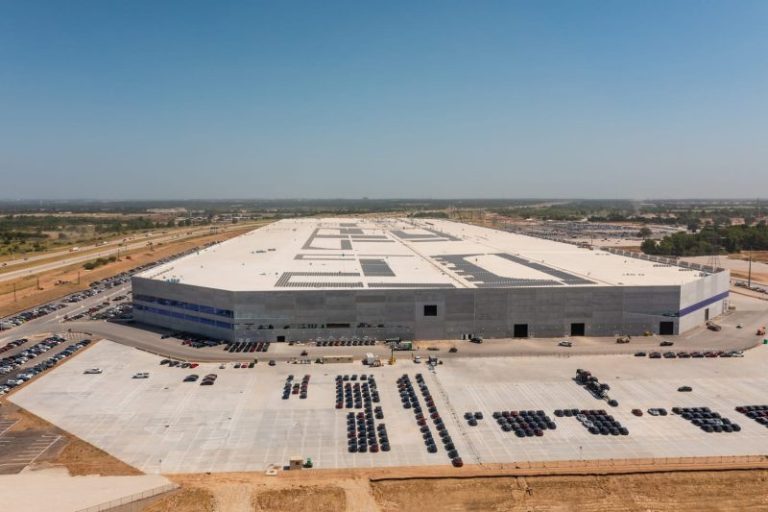
He also posted: “Samsung’s giant new Texas fab will be dedicated to making Tesla’s next-generation AI6 chip. The strategic importance of this is hard to overstate. Samsung currently makes AI4.TSMC will make AI5, which just finished design, initially in Taiwan and then Arizona.”

“Samsung agreed to allow Tesla to assist in maximizing manufacturing efficiency. This is a critical point, as I will walk the line personally to accelerate the pace of progress,” Musk said on X, and suggested that the deal with Samsung could likely be even larger than the announced $16.5 billion.

Samsung earlier said that details of the deal, including the name of the counterparty, will not be disclosed until the end of 2033, citing a request from the second party “to protect trade secrets,” according to a Google translation of the filing in Korean on Monday.

“Since the main contents of the contract have not been disclosed due to the need to maintain business confidentiality, investors are advised to invest carefully considering the possibility of changes or termination of the contract,” the company said.

The company’s shares rose over 6% in trading on Monday to reach their highest level since September 2024.

Tesla was a probable customer, Ray Wang, research director of semiconductors, supply chain and emerging technology at The Futurum Group, told CNBC before Musk’s post. Bloomberg News had earlier reported that Samsung’s deal was with Tesla, citing a source.

Samsung’s foundry service manufactures chips based on designs provided by other companies. It is the second largest provider of foundry services globally, behind Taiwan Semiconductor Manufacturing Company.

The company stated in April that it aimed to commence 2 nanometer mass production in its foundry business and secure major orders for the next-generation technology. In semiconductor technology, smaller nanometer sizes signify more compact transistor designs, which lead to greater processing power and efficiency.

Local South Korean media outlets have also reported that American chip firm Qualcomm could place an order for chips manufactured using Samsung’s 2 nanometer technology.

Samsung, which is set to deliver earnings on Thursday, expects its second-quarter profit to more than halve. An analyst previously told CNBC that the disappointing forecast was due to weak orders for its foundry business and as the company has struggled to capture AI demand for its memory business.

The company has fallen behind competitors SK Hynix and Micron in high-bandwidth memory chips — an advanced type of memory used in AI chipsets.

SK Hynix, the leader in HBM, has become the main supplier of these chips to American AI behemoth Nvidia. While Samsung has reportedly been working to get the latest version of its HBM chips certified by Nvidia, a report from a local outlet suggests these plans have been pushed back to at least September.

This post appeared first on NBC NEWS

 

Homerun Resources Inc. (TSXV: HMR,OTC:HMRFF) (OTCQB: HMRFF) (‘Homerun’ or the ‘Company’) is honoured to announce that following the Company’s June 12th news release confirming the selection of Homerun’s business plan to proceed to the Detailed Work-Plan phase for the strategic minerals funding initiative, the Company has now received a joint support plan from the public call issued by the Brazilian National Development Bank (BNDES) and the Brazilian innovation agency (FINEP), Call No. 753.


The joint support plan indicates the financial instruments available to Homerun within the scope of both institutions to support Homerun’s business plan – including long-term credit lines, equity investments, non-reimbursable funds and economic subsidies designed to accelerate high-impact mineral-transformation projects from the landmark USD $815 million strategic minerals transformation initiative jointly launched by BNDES and FINEP.

Below is a list of the Products/Programs/Lines that may be utilized, provided the requirements of each instrument are duly met:


Program/Line Financial Cost BNDES Rate Term Max. Value
Climate Fund – Green Industry 6.5% per year Starting at 1.3% per year Up to 16 years, including up to 5 years of grace period R$ 500 million per economic group every 12 months
More Innovation – Investments in R&D&I Reference Rate (TR) Starting at 2.7% per year Up to 16 years, including up to 4 years of grace period R$ 300 million per economic group per calendar year
More Innovation – Pioneeering Plants 50% of TR + 50% of Selic, TLP, or USD Starting at 2.7% per year (TR portion) + 1.1% per year (Selic, TLP, or USD portion) Up to 16 years, including up to 4 years of grace period R$600 million (including $300 million in TR) per economic group per calendar year
FINEM – Productive Capacity Selic, TLP, or USD Starting at 1.1% per year Up to 20 years, including a grace period of up to 6 months after operations begin 80% of the project value, capped at 100% of fundable items


In addition to the facilities mentioned above, other long-term financing options are available. Homerun will now submit the financial support requests for final analysis by BNDES and FINEP.


Brian Leeners, CEO of Homerun Resources, stated: ‘We are pleased to receive this joint support plan from BNDES and FINEP to advance our solar glass production and silica processing capabilities, marking the successful review of our recently submitted detailed work plan. We will now work diligently to submit our financial support requests and look forward to providing updates to our shareholders in the near future.’


The R$5 billion funding program is part of the New Industry Brazil initiative and is designed to support both large-scale industrial plants and pilot projects, with a focus on research, development, and innovation (R&D&I). With approximately R$8 billion reserved for investments in company equity—partly in partnership with mining leader Vale—the initiative is expected to leverage additional private investment and accelerate Brazil’s leadership in sustainable, low-carbon mineral supply chains.


https://agenciadenoticias.bndes.gov.br/detalhe/noticia/BNDES-e-Finep-concluem-avaliacao-de-propostas-de-chamada-publica-de-projetos-com-foco-em-minerais-estrategicos/


The Company will provide further updates as the initiative progresses.


About Homerun (www.homerunresources.com)


Homerun (TSXV: HMR,OTC:HMRFF) is a vertically integrated materials leader revolutionizing green energy solutions through advanced silica technologies. As an emerging force outside of China for high-purity quartz (HPQ) silica innovation, the Company controls the full industrial vertical from raw material extraction to cutting-edge solar, battery and energy storage solutions. Our dual-engine vertical integration strategy combines:


Homerun Advanced Materials


  • Utilizing Homerun’s robust supply of high purity silica sand and quartz silica materials to facilitate domestic and international sales of processed silica through the development of a 120,000 tpy processing plant.

  •  

  • Pioneering zero-waste thermoelectric purification and advanced materials processing technologies with University of California – Davis.

  •  

Homerun Energy Solutions


  • Building Latin America’s first dedicated high-efficiency, 365,000 tpy solar glass manufacturing facility and pioneering new solar technologies based on years of experience as an industry leader in developing photovoltaic technologies with a specialization in perovskite photovoltaics.

  •  

  • European leader in the marketing, distribution and sales of alternative energy solutions into the commercial and industrial segments (B2B).

  •  

  • Commercializing Artificial Intelligence (AI) Energy Management and Control System Solutions (hardware and software) for energy capture, energy storage and efficient energy use.

  •  

  • Partnering with U.S. Dept. of Energy/NREL on the development of the Enduring long-duration energy storage system utilizing the Company’s high-purity silica sand for industrial heat and electricity arbitrage and complementary silica purification.

  •  

With six profit centers built within the vertical strategy and all gaining economic advantage utilizing the Company’s HPQ silica, across, solar, battery and energy storage solutions, Homerun is positioned to capitalize on high-growth global energy transition markets. The 3-phase development plan has achieved all key milestones in a timely manner, including government partnerships, scalable logistical market access, and breakthrough IP in advanced materials processing and energy solutions.


Homerun maintains an uncompromising commitment to ESG principles, deploying the cleanest and most sustainable production technologies across all operations while benefiting the people in the communities where the Company operates. As we advance revenue generation and vertical integration in 2025, the Company continues to deliver shareholder value through strategic execution within the unstoppable global energy transition.


On behalf of the Board of Directors of
Homerun Resources Inc.


‘Brian Leeners’


Brian Leeners, CEO & Director
brianleeners@gmail.com / +1 604-862-4184 (WhatsApp)


Tyler Muir, Investor Relations
info@homerunresources.com / +1 306-690-8886 (WhatsApp)


FOR THE ADEQUACY OR ACCURACY OF THIS RELEASE


The information contained herein contains ‘forward-looking statements’ within the meaning of applicable securities legislation. Forward-looking statements relate to information that is based on assumptions of management, forecasts of future results, and estimates of amounts not yet determinable. Any statements that express predictions, expectations, beliefs, plans, projections, objectives, assumptions or future events or performance are not statements of historical fact and may be ‘forward-looking statements’.


Neither the TSX Venture Exchange nor its Regulation Services Provider (as that term is defined in policies of the TSX Venture Exchange) accepts responsibility for the adequacy or accuracy of this release.


To view the source version of this press release, please visit https://www.newsfilecorp.com/release/260290


News Provided by Newsfile via QuoteMedia

This post appeared first on investingnews.com

Here’s a quick recap of the crypto landscape for Wednesday (July 23) as of 9:00 p.m. UTC.

Get the latest insights on Bitcoin, Ethereum and altcoins, along with a round-up of key cryptocurrency market news.

Bitcoin and Ethereum price update

Bitcoin (BTC) was priced at US$118,148, down by 0.7 percent over the last 24 hours. Its highest valuation on Wednesday was US$118,462, while its lowest valuation was US$117,583.

Bitcoin price performance, July 23, 2025.

Chart via TradingView.

Bitcoin traded lower over the past 24 hours, hovering between $117,000 and $120,000 amid several market pressures.

A major whale moved over US$1.2 billion in dormant BTC, sparking speculation of potential selling.

After a rotation into altcoins, investors took profits following recent highs, while outflows from spot exchange-traded funds (ETFs) signaled weaker institutional demand.

Ethereum (ETH) was priced at US$3,592.65, down by 1.9 percent over the past 24 hours. Its lowest valuation as of Wednesday was US$3,568.86, and its highest was US$3,657.02.

Altcoin price update

  • Solana (SOL) was priced at US$188.86, down by 5.5 percent over 24 hours. Its lowest valuation on Wednesday was US$186.95, and its highest was US$192.58.
  • XRP was trading for US$3.25, down 8.9 percent in the past 24 hours. Its lowest valuation of the day was US$3.18, and its highest valuation was US$3.36.
  • Sui (SUI) is trading at US$3.70, down 5.5 percent over the past 24 hours. Its lowest valuation of the day was US$3.67, and its highest was US$3.84.
  • Cardano (ADA) was trading at US$0.8152, down by 6.9 percent over 24 hours. Its lowest valuation on Wednesday was US$0.8058, and its highest was US$0.8370.

Today’s crypto news to know

PNC Bank and Coinbase partner to advance digital asset solutions

PNC Bank and Coinbase Global (NASDAQ:COIN) have announced a strategic partnership to broaden access to digital asset solutions for PNC’s clients and institutional investors.

The collaboration will leverage Coinbase’s crypto-as-a-service platform, enabling PNC to offer secure and scalable cryptocurrency access. PNC clients will be able to buy, hold and sell cryptocurrencies directly through PNC’s platform.

PNC will also provide essential banking services to Coinbase, signifying a mutual commitment to strengthening the digital financial system. Both companies emphasize that this partnership will meet the increasing demand for secure and streamlined digital asset access.

Goldman Sachs and BNY to launch tokenized money market funds

Goldman Sachs (NYSE:GS) and BNY (NYSE:BK) are preparing to offer institutional investors access to tokenized money market funds, aiming to enhance capital markets with real-time settlement, 24/7 access and increased efficiencies.

BNY clients will soon be able to invest in money market funds with ownership recorded on Goldman Sachs’ private blockchain, as per a Wednesday news release.

“As the financial system transitions toward a more digital, real-time architecture, BNY is committed to enabling scalable and secure solutions that shape the future of finance,” said Laide Majiyagbe, global head of liquidity, financing and collateral at BNY, adding that mirrored tokenization of money market funds is the first step.

This initiative involves major players such as BlackRock (NYSE:BLK), Fidelity Investments, Federated Hermes and the asset management divisions of Goldman and BNY.

Tokenized money market funds offer a contrast to interest-bearing stablecoins, which are specifically prohibited under the GENIUS Act, which was signed into law last week. They provide yield, which makes them a low-volatility tool for hedge funds, pensions and corporations.

SEC halts Bitwise crypto index ETF conversion for review

On Tuesday (July 22), the US Securities and Exchange Commission’s (SEC) Division of Trading and Markets approved the Bitwise 10 Crypto Index to convert to an ETF, only to immediately pause it for review.

In a letter issued later that day, SEC Assistant Secretary Sherry Haywood said that the order will remain “stayed until the Commission orders otherwise.” Bloomberg ETF analyst Eric Balchunas has suggested that the SEC might be delaying its approval until it establishes a listing standard for crypto ETFs.

Bitwise had applied for this conversion in November for its fund, which offers exposure to a range of cryptocurrencies.

Nate Geraci, president of NovaDius Wealth Management, described the situation as “bizarre,” drawing parallels to the Grayscale Digital Large Cap ETF conversion, which experienced a similar approval and subsequent pause on July 1.

Bitcoin millionaires surge by 16,000 in 2025, according to report

Nearly 16,000 new Bitcoin wallets have crossed the million-dollar threshold since Donald Trump assumed the presidency in January 2025, according to a Finbold report. The number of Bitcoin millionaires is up from 132,842 in November 2024 to 192,205 as of July 20, marking a 45 percent increase in just eight months.

Large holders with over US$10 million in BTC also saw gains exceeding 16 percent in the same period.

The surge has been linked to renewed investor optimism following Trump’s re-election, along with clear signals of regulatory support and clarity for digital assets.

A significant boost came this week when the US House passed the Genius Act. The legislation, expected to streamline compliance for institutions, is widely seen as the most comprehensive federal crypto framework to date.

The rapidly changing policy environment has encouraged capital inflows and bolstered confidence in US-based crypto markets, with the resulting daily average tallying to 88 new Bitcoin millionaires in 2025 alone.

South Korea warns fund managers to reduce exposure to crypto stocks

South Korea’s Financial Supervisory Service (FSS) has issued informal warnings to asset managers over their exposure to crypto-related stocks and ETFs. According to the Korea Herald, firms with significant holdings in US-listed crypto companies such as Coinbase and Strategy (NASDAQ:MSTR) were reportedly told to scale back.

The directive follows the FSS’s longstanding 2017 stance prohibiting direct investment in virtual assets by financial institutions, despite recent global shifts in crypto regulation. While the agency has been reviewing possible easing of crypto rules, officials reportedly said that licensed entities must continue observing current guidelines.

The FSS has not yet issued a formal statement regarding the report.

PayPal unveils cross-border wallet platform

PayPal (NASDAQ:PYPL) has launched PayPal World, a cross-border payments network that integrates several of the world’s largest digital wallets, aiming to simplify international commerce for billions.

The platform’s initial partners include India’s UPI (via NPCI International), China’s Weixin Pay (via Tenpay Global) and PayPal’s own services including Venmo.

A memorandum of understanding has also been signed with Mercado Pago in Latin America.

According to PayPal CEO Alex Chriss, the initiative allows users to pay with their native wallets regardless of location. Chriss called it a potential “game changer” for frictionless payments in travel and e-commerce.

“The challenge of moving money across borders is incredibly complex, and yet this platform will make it so simple for nearly two billion consumers and businesses,’ Chriss said a recent press release.

Securities Disclosure: I, Giann Liguid, hold no direct investment interest in any company mentioned in this article.

Securities Disclosure: I, Meagen Seatter, hold no direct investment interest in any company mentioned in this article.

This post appeared first on investingnews.com


  Lu177-B7H3 monoclonal antibody is first in class targeted radiopharmaceutical in development against the 4lg subtype of B7-H3  


  On track to initiate first-in-human study of RV-01 in solid tumors in 4Q25  


Radiopharm Theranostics (ASX: RAD,OTC:RDPTF, Nasdaq: RADX, ‘Radiopharm’ or the ‘Company’), a clinical-stage biopharmaceutical company focused on developing innovative oncology radiopharmaceuticals for areas of high unmet medical need, today announced that the U.S. Food and Drug Administration (FDA) has provided clearance of the Company’s Investigational New Drug (IND) application for Betabart (RV-01), its Lu177-B7H3 monoclonal antibody designed with strong affinity for the 4Ig isoform of B7H3 that is highly expressed in tumors and not in healthy tissues.


‘FDA clearance to initiate our first-in-human Phase 1 clinical trial of RV-01 represents a major milestone for Radiopharm Theranostics and our joint venture with MD Anderson Cancer Center,’ said Riccardo Canevari, CEO and Managing Director. ‘RV-01 is the first monoclonal antibody developed through this collaboration, and we believe it has the potential to become a highly differentiated radiopharmaceutical for patients with aggressive solid tumors. We are excited to advance this program into the clinic and anticipate dosing the first patients later this year.’


‘Recent reported preclinical studies demonstrated that RV-01 exhibits hepatic clearance, allowing the isotope sufficient time to effectively target tumors while potentially minimizing adverse effects such as hematological toxicities. Unlike peptides or small molecules, monoclonal antibodies are primarily cleared by the liver—an organ known for its radio-resistance. This characteristic, combined with the shortened half-life of RV-01 and the strong affinity for the target make this agent stand out and may offer a significant advantage not just over other monoclonal antibodies but also targeted radiotherapeutics with renal excretion pathway, the latter of which are often associated with higher risk of radiopharmaceutical-induced kidney toxicity,’ noted Dimitris Voliotis, M.D., Chief Medical Officer of Radiopharm Theranostics.


‘The high affinity and selectivity of RV-01 for the 4Ig isoform of B7H3 allows the antibody to bypass the soluble 2Ig isoform in the blood, boost binding of the radiopharmaceutical to tumor targets and avoid the formation of immune complexes in circulation,’ noted David Piwnica-Worms, M.D., Ph.D., Professor, MD Anderson Cancer Center, and scientific co-founder of Radiopharm Ventures.


B7-H3 is an immune checkpoint molecule that is overexpressed across several tumor types and has emerged as a compelling target for antibody-based cancer immunotherapy. Deregulated B7-H3 expression is consistently correlated with enhanced tumor aggressiveness and poor clinical outcomes. Targeting the 4 Ig isoform of B7-H3 with a selective radioligand therapy may offer a novel strategy for treating refractory or high-risk tumors.


  About RV-01  


RV-01 is the first radiopharmaceutical therapeutic agent developed by Radiopharm Ventures, the Joint Venture formed between Radiopharm Theranostics and MD Anderson Cancer Center (MDACC). RV-01 is a 177Lutetium-conjugated therapeutic that targets B7-H3, an immune checkpoint molecule that is overexpressed in several tumor types. Multiple preclinical studies with RV-01 have shown tumor shrinkage and prolonged survival in animals treated with the radiotherapeutic agent. RV-01 has received IND-clearance from the U.S. FDA and plans to initiate a first-In-human Phase 1 study in the second half of 2025.


  About Radiopharm Theranostics  


 Radiopharm Theranostics is a clinical stage radiotherapeutics company developing a world-class platform of innovative radiopharmaceutical products for diagnostic and therapeutic applications in areas of high unmet medical need. Radiopharm is listed on ASX (RAD) and on NASDAQ (RADX). The company has a pipeline of distinct and highly differentiated platform technologies spanning peptides, small molecules and monoclonal antibodies for use in cancer. The clinical program includes one Phase 2 and three Phase 1 trials in a variety of solid tumor cancers including lung, breast, and brain. Learn more at radiopharmtheranostics.com .


  Authorized on behalf of the Radiopharm Theranostics Board of Directors by Executive Chairman Paul Hopper.  


  For more information:  


  Investors:  
Riccardo Canevari
CEO & Managing Director
P: +1 862 309 0293
E: rc@radiopharmtheranostics.com


Anne Marie Fields
Precision AQ (formerly Stern IR)
E: annemarie.fields@precisionaq.com


  Media:  
Matt Wright
NWR Communications
P: +61 451 896 420
E: matt@nwrcommunications.com.au  


  Follow Radiopharm Theranostics:  
Website – https://radiopharmtheranostics.com/  
X – https://x.com/TeamRadiopharm  
LinkedIn – https://www.linkedin.com/company/radiopharm-theranostics/  
InvestorHub – https://investorhub.radiopharmtheranostics.com/  


News Provided by GlobeNewswire via QuoteMedia

This post appeared first on investingnews.com